Protein Calculator
Calculate how much you need each day based on your weight, activity level, and goal. Whether you’re trying to lose fat, maintain your weight, or build muscle, getting enough protein is one of the most important nutritional factors for body composition and recovery.
This calculator provides estimates for educational purposes only. It is not medical advice. Always consult a healthcare professional before making changes to your diet or exercise routine.
Why Protein Matters
is one of the three your body needs every day. It plays a central role in building and repairing muscle tissue, supporting immune function, producing enzymes and hormones, and maintaining healthy skin, hair, and nails. Without adequate protein, your body cannot recover properly from exercise or preserve the lean mass that keeps your metabolism running efficiently.
Protein is also the most satiating macronutrient. Research consistently shows that higher-protein meals reduce hunger and help you feel full longer, which makes it far easier to stick to a when fat loss is the goal. On top of that, protein has the highest thermic effect of food — your body burns roughly 20–30% of protein calories just digesting and processing them, compared to 5–10% for carbs and 0–3% for fat.
How Much Protein Do You Need?
The outdated RDA of 0.36 g per pound of body weight was designed to prevent deficiency, not to optimize health or body composition. Current evidence suggests most active adults benefit from significantly more:
- General health and moderate activity: 0.7–0.8 g per pound of body weight.
- Muscle building or strength training: 0.8–1.0 g per pound of body weight.
- During a calorie deficit: 1.0–1.2 g per pound of body weight to protect muscle mass while losing fat.
- Older adults (50+): At least 0.8 g per pound, as aging reduces the body's efficiency at using dietary protein.
If you are significantly overweight, base your target on your goal body weight or lean body mass rather than total body weight.
Protein Timing and Distribution
Research on muscle protein synthesis shows that spreading your intake across the day is more effective than cramming it into one or two large meals. Aim for 25–40 g of protein per meal across three to four eating occasions. This threshold appears to be the minimum needed to maximally stimulate muscle repair and growth at each sitting.
Having a protein-rich meal or snack within a couple of hours after resistance training can support recovery, but the so-called "anabolic window" is much wider than the 30-minute myth suggests. Total daily intake matters far more than the exact timing of any single meal.
High-Quality Protein Sources
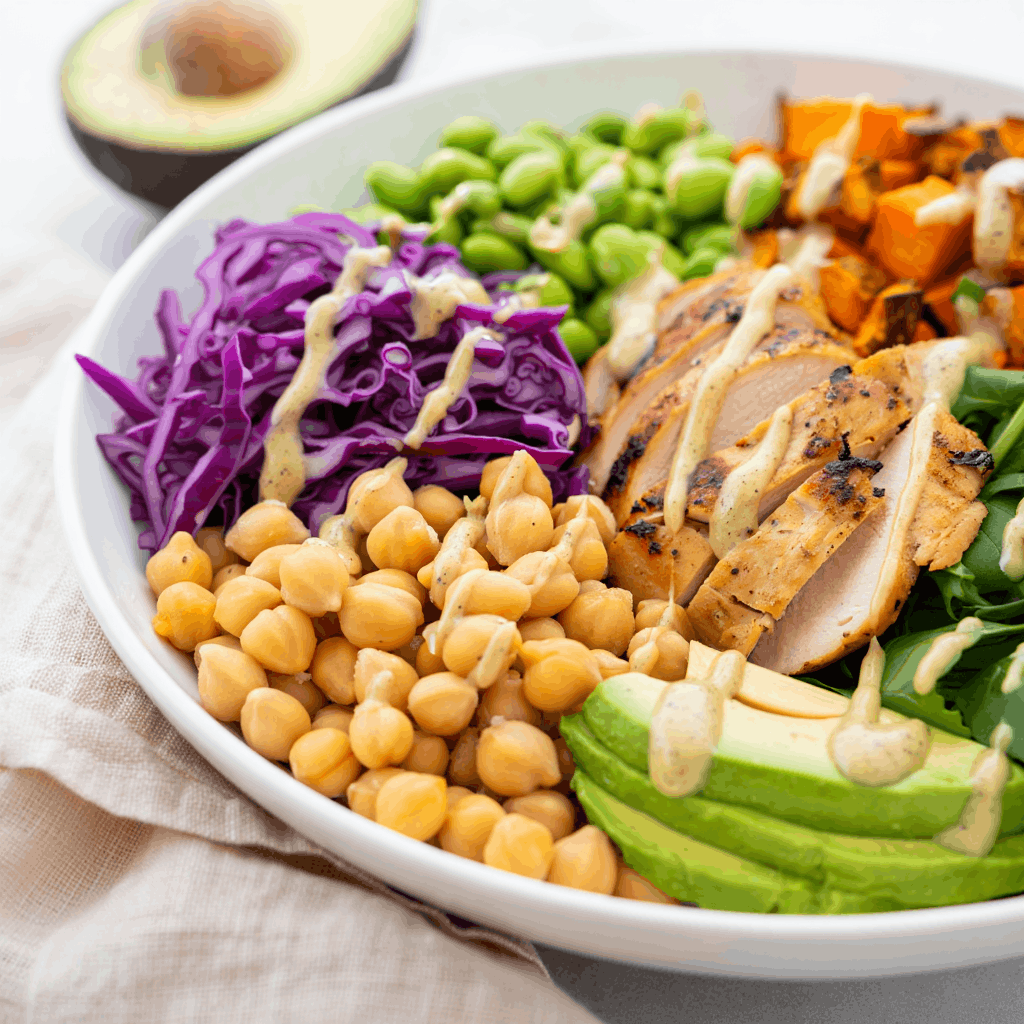
- Animal sources: Chicken breast, turkey, lean beef, fish, eggs, Greek yogurt, cottage cheese, and whey protein.
- Plant sources: Tofu, tempeh, lentils, chickpeas, black beans, edamame, quinoa, and soy protein isolate.
Animal proteins are complete, meaning they contain all essential amino acids in sufficient amounts. Most plant proteins are lower in one or more amino acids, but eating a variety of plant sources throughout the day easily covers any gaps.
Common Myths Debunked
- "High protein damages your kidneys." In healthy individuals with no pre-existing kidney disease, research shows no harmful effect from high protein intake up to at least 1.5 g per pound of body weight.
- "You can only absorb 30 g per meal." Your body can digest and use well over 30 g in a single sitting. Larger servings simply take longer to absorb.
- "You need protein within 30 minutes of training." The post-workout window is hours long, not minutes. Consistency with daily intake matters most.
Related Calculators
Use the Macro Calculator to see how protein fits into your overall daily nutrition, or visit the Calorie Deficit Calculator to plan a fat-loss diet that keeps your protein high enough to preserve muscle.
Get a personalized plan built around your numbers
Talala uses data like this to build a 12-week fitness plan tailored to your body, your goals, and your life.